Turmeric Goes Way Beyond Curry
Turmeric is a superfood in moderation, and it goes way beyond curry. Here are surprising, everyday ways to use it in food you already cook, plus the black pepper trick that makes it count.

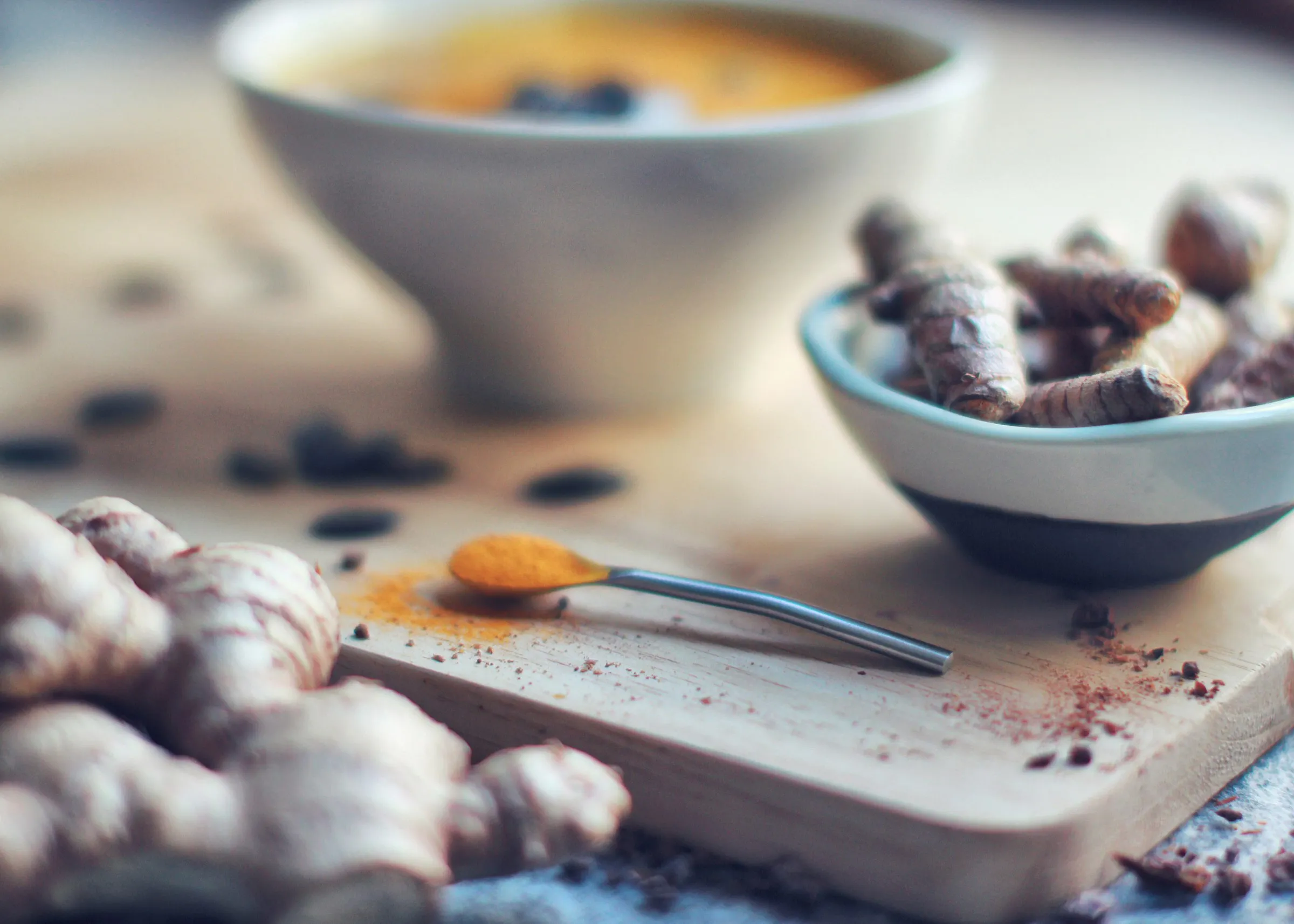
Thanks for using GPT Food Cam. We spend a lot of time here on good foods and easy ways to use them, and today it’s turmeric’s turn. Be honest: your turmeric jar probably comes out twice a year for curry, then goes back in the cabinet to collect dust. That’s a shame, because turmeric quietly makes everyday food better, and you don’t need a single new recipe to use it.
Why turmeric is good for you, in moderation
Turmeric’s claim to fame is curcumin, a compound with real anti-inflammatory and antioxidant activity:
- Pooled trials link it to lower inflammatory markers, and curcumin extracts show modest help with the pain and stiffness of knee osteoarthritis.
- Early evidence suggests it may nudge cholesterol and blood-vessel function in a good direction.
- A teaspoon is only about 8 calories, with a little iron and manganese.
Two honest caveats. Turmeric is only 2 to 5 percent curcumin and it’s poorly absorbed on its own, so a sprinkle delivers far less than a concentrated supplement. The fix is also the best cooking tip in this whole piece: pair turmeric with a little fat and a crack of black pepper, whose piperine raised curcumin absorption sharply in a classic study. And more isn’t better, so keep it to seasoning amounts and buy from a reputable brand, since a few supply chains have had a rare lead problem.
Curry and golden milk you’ve already got. Here’s where turmeric earns its keep in the food you’re already cooking.
Where to actually sneak it in
You’re scrambling eggs
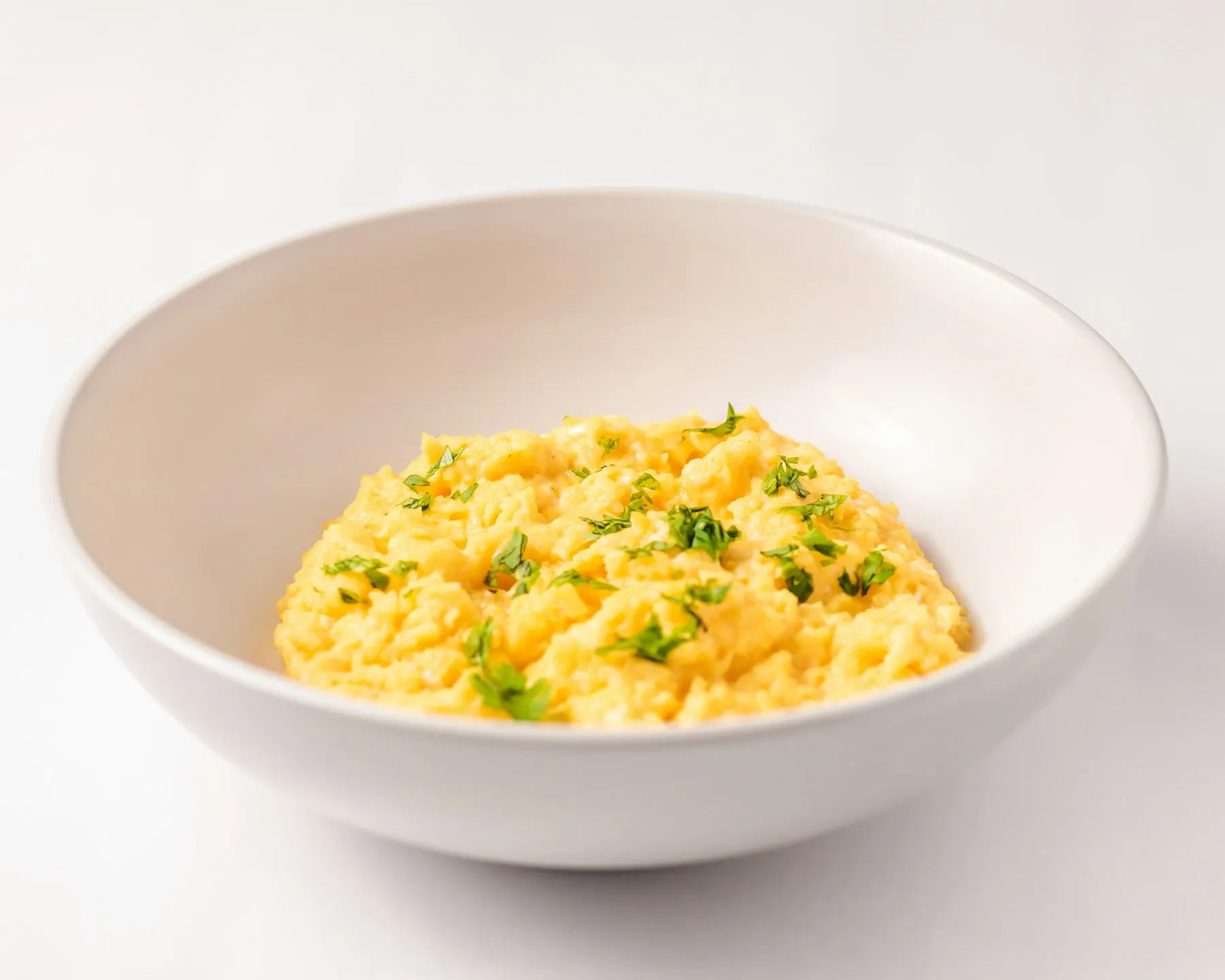
Whisk a small pinch into the raw eggs, about half a teaspoon for two, with a crack of black pepper before they hit the pan. The eggs are already golden, so the color barely shifts and the mild earthy flavor disappears into the richness. The real win is that eggs bring the fat and the pepper brings the piperine, the two things that actually help your body use the curcumin. (turmeric scrambled eggs)
Making an omelet instead? Bloom the turmeric first. Melt your butter, sprinkle in a pinch, let it sizzle a few seconds until it smells warm, then pour the eggs into that golden butter. You get a rounder flavor, no raw dusty taste, and the curcumin is already dissolved in fat before it reaches the pan. Milk Street builds a whole omelet on this turmeric butter step. (turmeric butter omelet) And if you make a frittata, the Persian version called kuku sabzi is basically that, eggs and turmeric loaded with parsley, cilantro, and dill, traditionally served at Nowruz. (kuku sabzi)
You’re making plain rice for dinner
Stir half a teaspoon of turmeric, plus a crack of pepper, right into the cooking water before the lid goes on. The grains drink up the color and a gentle earthiness as they steam, and you get golden rice with zero extra effort. This is the everyday version of the yellow rice cooks make from India to Indonesia to the Caribbean to South Africa. The same move works for a grain bowl, so stir a teaspoon into the water or broth for quinoa or couscous and a weeknight bowl looks like you meant it. (golden turmeric quinoa) And if you eat oatmeal but want out of the sweet rut, cook your oats in broth, stir in a little turmeric, cumin, and pepper, and top with a fried egg. It eats like a warm grain bowl, and the runny yolk is the fat that carries the turmeric along. (savory golden oatmeal)

You’ve got vegetables headed for the oven
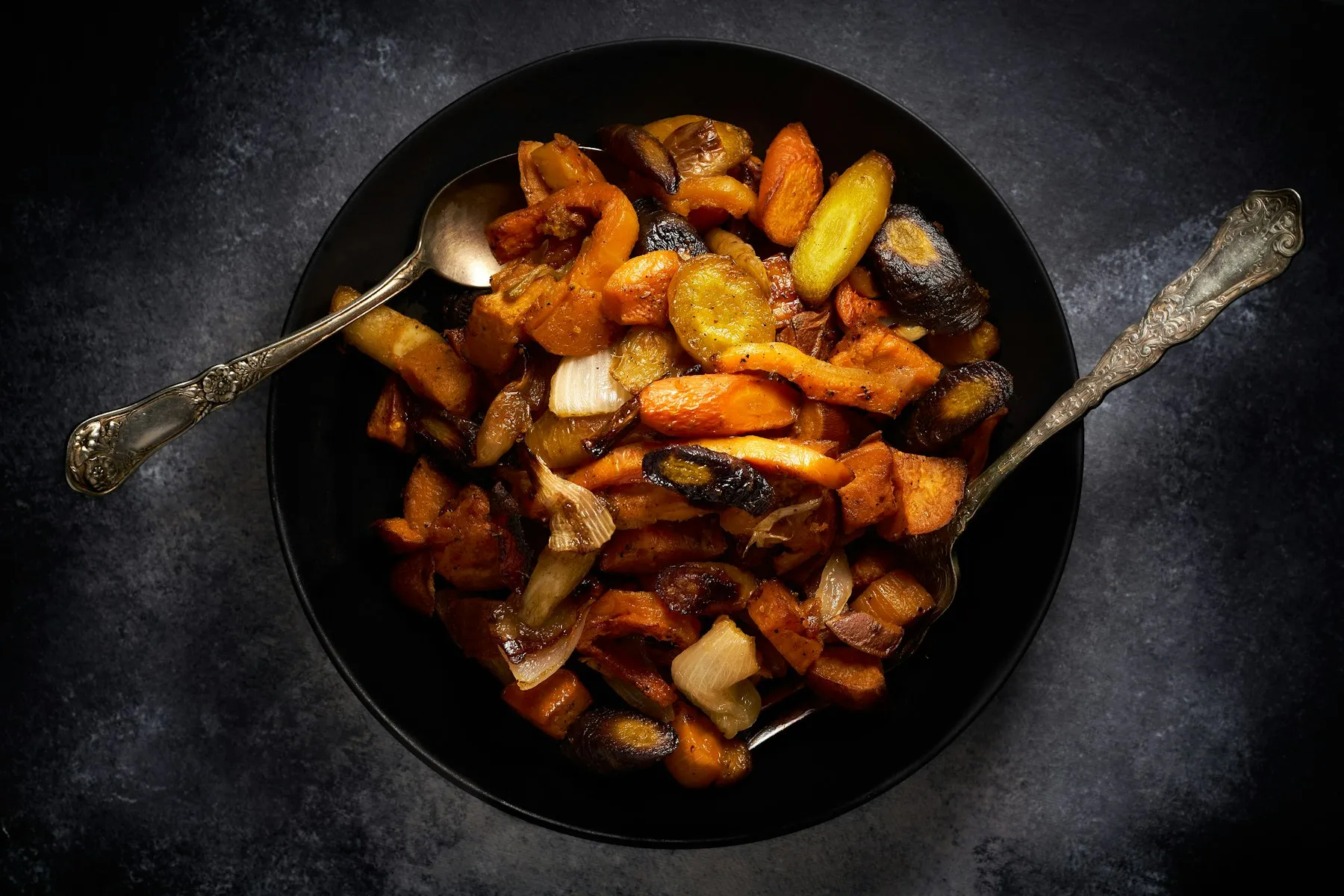
Whatever’s in the drawer, cauliflower, carrots, sweet potato, toss it in a bowl with oil, salt, turmeric, and plenty of black pepper before it goes in. The oil is your built in fat, the pepper you’d add anyway doubles as the absorption booster, and the high heat tames turmeric’s raw bitterness into something rounder and nutty. (turmeric roasted vegetables) One tip: oil the veg first, then add the spice, so the turmeric grips the surface and crisps into the edges instead of clumping. The starchy potatoes brown up best. (crispy turmeric potatoes)
You’re simmering soup or a pot of beans
A long, low simmer with fat already in the pot is a perfect home for turmeric. Stir half a teaspoon into dried beans or lentils early, with a knob of butter and a few cracks of pepper. The fat and the piperine together help your body absorb the curcumin instead of letting it pass through, which is exactly how traditional Indian dal has always cooked turmeric, fat, and pepper as a trio. (turmeric and black pepper) Making chicken soup? A teaspoon or two near the start turns the broth golden and adds a faint citrusy, gingery note that makes a plain pot taste more complex. (turmeric chicken soup) Tomato soup is the sleeper hit, where a couple of teaspoons balance tomato’s sweet acidic punch and deepen the savory backbone. (turmeric in tomato soup) Even chili works, where the dark beans hide the color but you still get an earthy backbone, the same logic behind Brazilian feijoada. (Brazilian feijoada)
You’re blending a smoothie or building a yogurt bowl
Blend a small pinch, a quarter to half teaspoon, into a frozen banana mango or pineapple smoothie with a tiny crack of pepper. The sweet, tart fruit completely swallows the earthy edge, so you taste mango, not spice, and the dairy or coconut milk gives the curcumin fat to ride along with. (mango turmeric smoothie) Or stir a pinch into plain yogurt with a drizzle of honey until it turns pale gold, then top with fruit and nuts. Yogurt’s milk fat is a natural carrier, and the same fat that helps curcumin absorb is doing its quiet work here. This isn’t new either, it echoes South Asian haldi lassi and spiced curd. (golden yogurt bowl) Want it drinkable? Whisk turmeric, a little honey, and cold water into yogurt for a quick golden lassi over ice. (haldi lassi)
You’re mixing a dressing or marinade
This is the easiest one, because the oil is already there. Whisk a teaspoon of turmeric and a few good cracks of pepper straight into your usual olive oil and vinegar vinaigrette. The oil carries the curcumin, the pepper helps your body use it, and you barely taste anything but a gentle earthiness behind the tang. Marinating chicken or tofu tonight? Stir a couple teaspoons of turmeric and plenty of pepper into a few tablespoons of oil with your garlic, lemon, and salt, then let it sit. Tofu especially soaks it right up and roasts into a savory golden crust. (turmeric marinades)
The takeaway
Turmeric earns its spot way past curry, and it does its best work as a quiet add-on to food you’re already cooking, especially when there’s a little fat and a crack of pepper in the mix. In moderation it’s a low calorie way to add color, warmth, and a small nutritional bonus. Pick the meal you make most this week and give it a pinch.
Frequently asked
Do I really need black pepper with turmeric?
For absorption, yes, it genuinely helps. Curcumin is hard for your body to use on its own, and the piperine in black pepper raised its bioavailability sharply in a classic 1998 pharmacokinetics study. A crack of pepper plus a little fat is the move that makes a kitchen pinch actually count.
Will it stain or overpower my food?
A small pinch mostly just adds color and a mild earthy warmth, especially in eggs, rice, and fatty or sweet foods that mellow it out. Turmeric is potent, so start small and taste as you go. It can stain plastic and light grout, so wipe up spills quickly.
How much is a reasonable everyday amount?
A teaspoon is roughly 9 calories per USDA data and culinary amounts are well tolerated, so a pinch here and there across your meals is plenty. More is not better, and the larger study effects come from concentrated supplements rather than the spice rack, so just enjoy it as seasoning in moderation.
Dietary
References
- Curcumin: A Review of Its Effects on Human Health (Foods, PMC5664031)
- Efficacy and safety of curcuminoids in alleviating pain and dysfunction for knee osteoarthritis: a systematic review and meta-analysis of RCTs (PMC9580113)
- Curcumin/turmeric supplementation could improve blood pressure and endothelial function: a GRADE-assessed systematic review and dose-response meta-analysis of RCTs (Clinical Nutrition ESPEN)
- USDA FoodData Central, Spices, turmeric, ground (FDC ID 172231)
- Shoba G, et al. Influence of piperine on the pharmacokinetics of curcumin in animals and human volunteers. Planta Med. 1998 (PubMed)
- Using Black Pepper to Enhance the Anti-Inflammatory Effects of Turmeric (UMass Chan Medical School)
- Why Turmeric and Black Pepper Is a Powerful Combination (Healthline)
- Turmeric Scrambled Eggs with Spinach (Becomingness)
- Cilantro-Tomato Omelet with Turmeric Butter (Milk Street)
- Kuku Sabzi (Persian Herb Frittata) (The Kitchn)
- Golden Turmeric Quinoa Rice (Ministry of Curry)
- Golden Savory Oatmeal (From My Bowl)
- Crispy Roasted Turmeric Potatoes (Ginger with Spice)
- Turmeric Roasted Carrots (The Natural Nurturer)
- Turmeric Roasted Vegetables (Paleo Grubs)
- Healing Turmeric Chicken Noodle Soup (Skinnytaste)
- A Dash Of Turmeric Is The Easy Way To Elevate A Tomato-Based Soup (Tasting Table)
- Brazilian Feijoada (Black Bean Stew) (Piquant Post)
- Mango Turmeric Smoothie (Dietitian Debbie Dishes)
- Golden Yogurt Bowl with Honey and Turmeric (Grateful Grazer)
- Haldi ki Lassi Recipe (Cult.fit)